

STRIVE Internship Program
Short Term Research In Vision & Eye Health Program

STRIVE Program
STRIVE Internship Program
This would be the first and only summer medical student research training program at UC San Diego (UCSD) focused on ophthalmology, vision research, and eye health. This program is specifically tailored to medical students who have some clinical knowledge and academic interest, but who may not have extensive prior research experience.
The program will provide full-time research and clinical support for 8-12 consecutive weeks at UC San Diego during the summer for 4-6 qualifying medical students per year from across the country. The program will include hands-on research experience, career development, and long-term mentorship. The multi-disciplinary research training experience will also include instruction in areas such as biostatistics, research ethics, and leadership skills. There will be an opportunity at the summer research symposium for the trainees to present their work. The trainees will be able to collaborate with mentors to develop their work for presentations at national conferences.
This is a paid internship, with monthly stipends ranging from about $2200 per month for predoctoral interns.
Curriculum Highlights
- Faculty Mentorship
- Campus Seminars
- Lectures on Ophthalmology and Vision Research
- Research Reproducibility Workshop
- Lectures on Bioethics and Biostatistics
- Communication Workshops for Effective Writing, Presentation Skills, and Publication Strategies
2027 Summer Application
- The application is now available for the 2027 summer internship program.
The deadline to apply is January 29, 2027. - Access the 2027 Summer Application below.
Eligibility + Questions
For any questions regarding the application process or eligibility requirements, please contact UC San Diego program coordinator Victoria Patronilo at vpatronilo@health.ucsd.edu.
Eligibility
Per NIH Guidlines
- Applicants must be U.S. citizens or permanent residents.
- Applicants must be able to commit to at least 8 weeks of in-person research in the summer. The expected commitment ranges from 8 to 12 weeks.
- This program requires full-time effort during the research period. Applicants are not allowed to participate in medical school rotations, other employment, or competing commitments concurrently.
- Applicants must have completed at least an undergraduate degree. Eligible applicants may include post-baccalaureate students, predoctoral students, postdoctoral fellows, medical trainees, or other allied health professionals.
2027 Summer Application Requirements
Eligible applicants will be asked to submit the following materials as part of the 2027 application:
- A personal statement describing the applicant’s career goals and interest in the training program, with a maximum length of 750 words.
- Two letters of recommendation from faculty members at the applicant’s undergraduate institution and/or medical school. Both letters must be submitted by the application deadline.
- Academic transcripts (unofficial transcripts are acceptable).
- Contact information, educational history, previous honors and awards, activities, and relevant experience in ophthalmology and research. Research experience in any field is welcome and is not limited to ophthalmology or vision science.
Faculty Team
Viterbi Family Department of Ophthalmology and Shiley Eye Institute
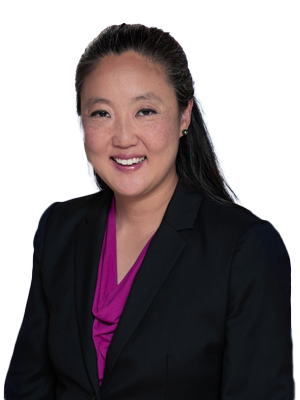
Jolene Rudell, MD, PhD
(Principal Investigator / Program Director) Assistant Clinical Professor of Ophthalmology

Linda Zangwill, PhD
(Co-Principal Investigator / Program Director) Professor of Ophthalmology Research Director, Hamilton Glaucoma Center, Data Coordinating Center Shiley Eye Institute at UC San Diego
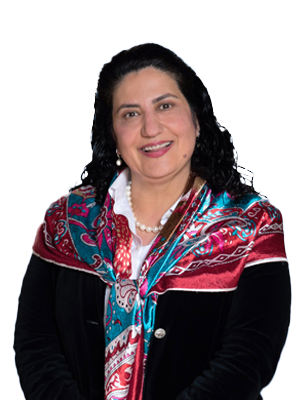

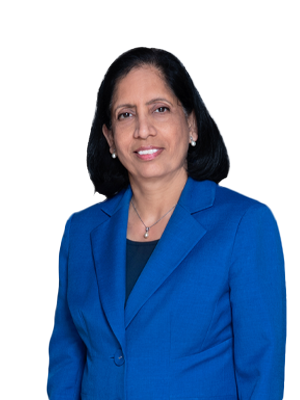


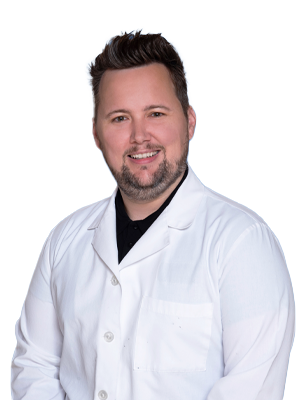
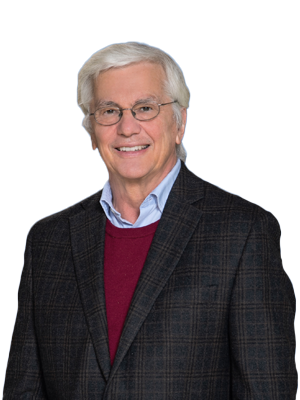
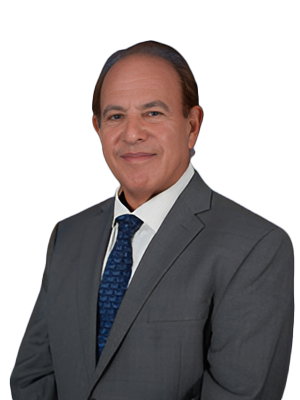
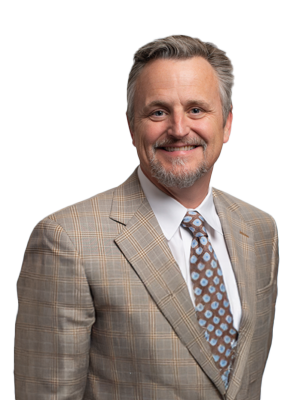

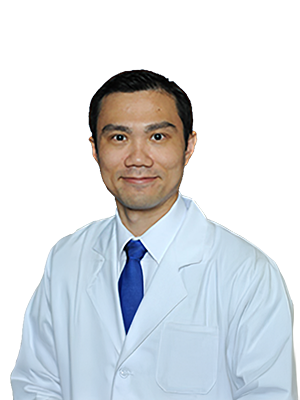

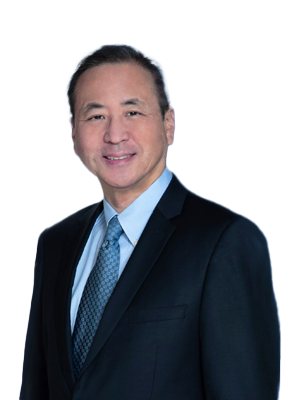
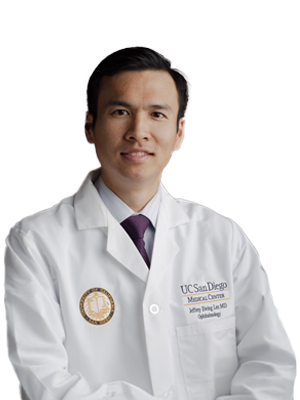
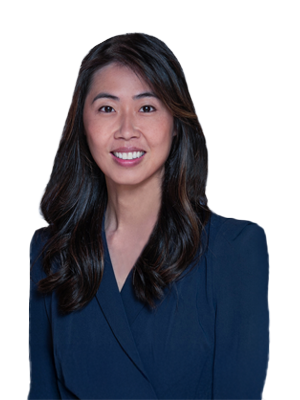
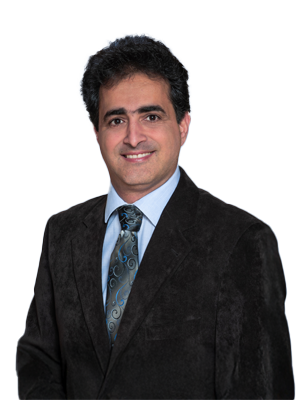

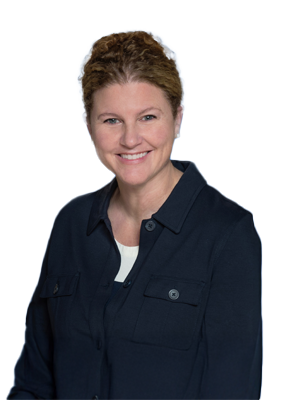
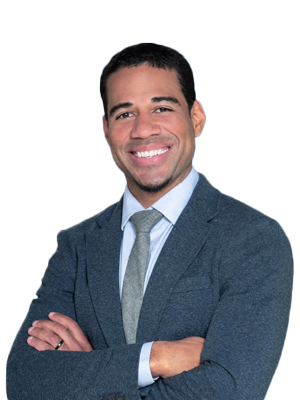

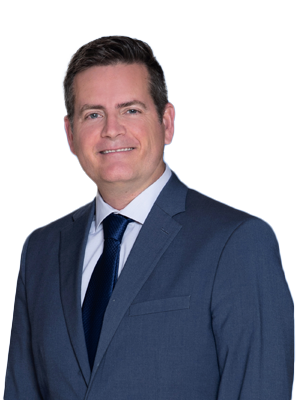
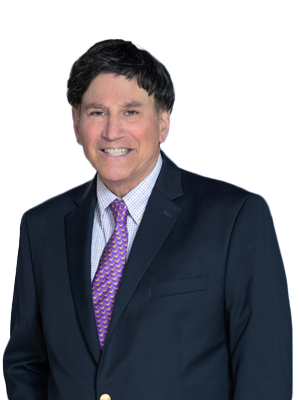
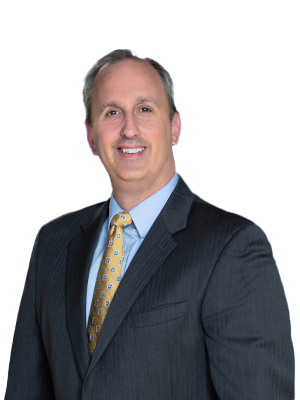
UCSD Faculty from other Departments
Department of Biomedical Informatics
Shamim Nemati, PhDDepartment of Medicine, Division of Geriatrics, Gerontology and Palliative Care
Ellen E. Lee, MDBenjamin Han, MD, MPHDepartment of Pharmacology and Neurosciences
Richard Daneman, PhDDepartment of Cellular and Molecular Medicine
Jeffrey D. Esko, PhDAlumni Testimonials: STRIVE Interns
2026 STRIVE Alumni
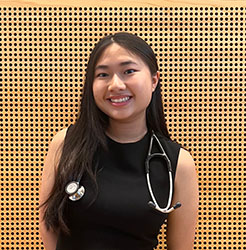
Katie Huynh
Indocyanine Green Binding Properties in Plasma and Bruch's Membrane
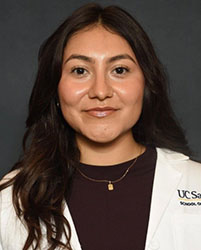
Arleth Lozada
Association of Pediatric Globe Rupture Follow Up Rates with Area Deprivation Index
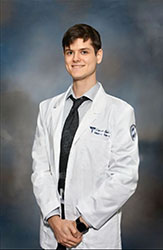
Duncan Sinclair
Utilizing Flavoprotein Fluorescence as a Biomarker for Silicone Oil Induced Oxidative Stress after Rhegmatogenous Retinal Detachment Repair

Emily Kang
Normative MRI Reference for Orbital Structures: Application to Thyroid Eye Disease
2025 STRIVE Alumni
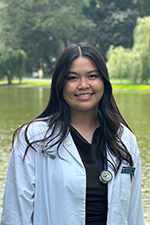
Christina Tran
Comparative Evaluation of Exosome Isolation Methods from Human Tear Fluid
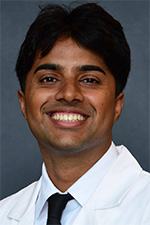
Naren Ramesh
Associations Between Satellite-Based Ambient Ultraviolet Radiation and Uveal Melanoma Incidence in the MarketScan® Commercial Claims Database
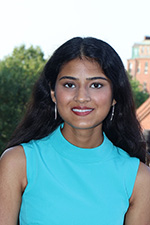
Riya Mittal
Associations Between Smoking Intensity and Glaucoma
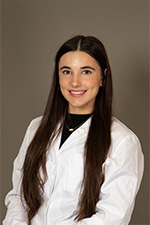
Tori Sayers
Spatial Proteomic Analysis of Early Dry AMD
2024 STRIVE Alumni

Collin Else
Glycomics of the Human Trabecular Meshwork: Heparan Sulfate as a Mediator of Aqueous Outflow Resistance

Ashley Hong
Resetting the Brow: A Small-Incision Frontalis Advancement Approach to Brow Ptosis

Patrick Akarepimand
Associations Between Physical Activity and Glaucoma: Analysis of the National Institutes of Health All of Us Research Program

Marissa Stinnett
Association of Social Determinants of Health on Visual Outcomes in Pediatric Blepharokerato-conjunctivitis
2023 STRIVE Alumni

Jason Zhou
Use of EHR to Extract Normative Eyelid Measurements

Karla Murillo
Visual Field Progression Rate and Laminar Depth in the African Descent and Glaucoma Evaluation Study (ADAGES)

Leo Meller
Association Between Alcohol Use and Glaucoma Using Data from the National Institutes of Health All of Us (AoU) Research Program

Luke Valmadrid
Autoregulation as a Biomarker for Diabetic Retinopathy: An Ongoing Study
2022 STRIVE Alumni

Rhiannon Buchholz
Optical Coherence Tomography Angiography (OCT-A) of Conjunctiva in Health and Disease

Mohammedreza Farchchi
Effect of Oxidative Stress from Hydroquinone on Cataract Development

Justin Huynh
Deep Learning Image Quality Assessment and Enhancement of Fundus Photographs Increases Accuracy in Automated Glaucomatous Optic Neuropathy Detection

Bryanna Lee
Investigating the Associations between Smoking and Fuchs Endothelial Corneal Dystrophy through RNA Sequencing
Information about diversity and inclusion is available through multiple venues. First, there are several websites available that provide information about diversity initiatives across the entire campus (diversity.ucsd.edu) and the (School of Medicine). Many departments have their own websites as well. Virtually all departments at UCSD have identified an Equity, Diversity, and Inclusion (EDI) ambassador, typically a faculty member who spearheads diversity-related initiatives in their areas/specialties and also collaborates with various entities across the medical school.
There are several active affinity organizations for UCSD medical students. These include:
The Association of Native American Medical Students (ANAMS)
The Asian Pacific American Medical Students Association (APAMSA)LGBTQ
Pharmacy and Medical Students (LGBTQ-PhaM)
The Latino Medical Student Association (LMSA)
Medical Students for Justice (MS4J)
The Student National Medical Association (SNMA)
UCSD also offers a curricular pathway called Program in Medical Education – Health Equity (PRIME - HEq), which part of a system-wide effort at the University of California to train physicians better able to meet the needs of the diverse Californian population who are traditionally underserved by the medical system. PRIME-HEq faculty work with students to identify populations or communities at risk for health disparities. Students will then receive exposure, training, and the opportunity to work with the identified group to further their passion in the area and provide knowledge and skills to better equip the students to improve health equity for the group.
- UC Campus Diversity Efforts
- UCSD Office for Equity, Diversity, and Inclusion
- Center for Faculty Diversity and Inclusion
- UCSD School of Medicine Office of Diversity and Community Partnerships
- UCSD Student National Medical Association
- UCSD Black Resource Center
- UCSD Latino Medical Student Association
- UCSD Women’s Center
- UCSD Hispanic Center of Excellence
- UCSD LGBT Resource Center